Submitted by the Black Belt Community Foundation
SELMA, AL— July 14, 2026: The countdown to an unforgettable season of free, live music under summer sunsets and into autumn evenings in historic Selma is officially underway. The Black Belt Community Foundation (BBCF) announces the themes and calendar for 2026’s return of the Levitt AMP Selma Music Series.
Beginning Saturday, July 25, the series will bring seven unique cultural experiences to Selma’s Riverfront Amphitheater. Families, friends, and neighbors from across the region are invited to bring their blankets, sunbrellas and lawn chairs to the amphitheater lawn to experience the transformational power of free, live music in bringing community together.
Supported in large part by the Levitt Family Foundation, a social impact funder at the intersection of music, public space, and community building, the Levitt AMP Music Series program injects new life into public spaces through free, outdoor concerts across the country. The 2026 season marks an exciting new chapter for Selma, building on the success of past seasons to present professionally produced, immersive themed festival dates running through late October.
“This season is about so much more than just the music on stage,” says Lydia Chatmon, TRHT Selma Director. “It’s about bringing people together, supporting our local business ecosystem, celebrating our rich cultural heritage, and showcasing the very best of downtown Selma.”
Season of Immersive Themes:
Instead of focusing purely on individual performers, the 2026 series is designed around seven planned experiences that offer something for every member of the family.
- July 25 — The Inaugural Bridge City Jazz Festival: The season sets sail with an elegant, smooth- jazz atmosphere. Concert-goers are encouraged to come dressed in all-white attire for this premier opening night event.
- August 8 — Joy Jamboree: A dedicated day of play, music, and smiles designed specifically for children and families, featuring bounce houses, face painting, games, and youth-oriented fun.
- August 22 —
Smoke in the City: BBQ & Blues Festival: Fire up the grill and claim your bragging rights! This date blends a competitive community barbecue atmosphere with a soulful soundtrack of regional blues.
- September 12 — Classic Cars & Chrome: Cruise in for this celebration of sleek vintage automobiles and deep musical grooves, featuring a car show paired with the absolute best in classic R&B, Soul, and Funk.
- September 26 —
Gospel Fest: An uplifting community favorite that elevates local and regional voices, celebrating the profound spiritual and musical heritage of the Black Belt.
- October 10 — Fiesta on the River!: A vibrant cultural celebration packed with high-energy Latin music, salsa beats, and a community taco-eating contest, so don’t forget the hot sauce.
- October 24 — Southern Soul: The Grand Finale: The ultimate season closer, bringing the community together one last night to celebrate some funky soul, great food, and collective joy.
Event Details & Vendor Info
To satisfy every craving, a diverse rotation of local food trucks and vendors from across the region will be on-site for every event. The Levitt AMP Selma Music Series is held inside Selma’s Riverfront Amphitheater and surrounds, located at 3 Lawrence Street in Downtown Selma
(directly across from the Evans Reception Hall). Admission to all events is completely free and open to the general public.
Specific artist announcements, finite scheduling details, weather updates, and information regarding parking and wheelchair accessibility will be updated continuously. The public is highly encouraged to visit the official website at http://www.blackbeltfound.org and follow the Levitt AMP Selma Music Series on social media, including Facebook, for the most up-to-date schedule. The main FB page-“Levitt AMP Selma”- is found at https://www.facebook.com /LevittAMPSelma.
In 2023, the Black Belt Community Foundation was named one of a select group of nonprofits across America to receive a Levitt Music Series grant from the Levitt Family Foundation to present free outdoor concerts. This ongoing initiative is made possible through vital local partnerships, including the City of Selma, the Selma Center for Nonviolence, Truth and Reconciliation, and the Selma-Dallas County Chamber of Commerce, all under the umbrella of BBCF’s TRHT Selma begun through a multi-year grant from the W.K. Kellogg Foundation.
About Black Belt Community Foundation:
The mission of the Black Belt Community Foundation (BBCF) is to forge a collective stream of giving that transforms our 12- county region in Alabama and connects those interested in having an impact in this region with nonprof- its that are making a difference today. Founded in 2004 with the idea that those living and working in the Black Belt best knew the area’s challenges and opportunities, the Black Belt Community Foundation actively puts needed resources into the region that make a lasting impact.
The Truth, Racial Healing, and Transformation initiative in Selma (TRHT Selma) is a core program of BBCF and serves as the lead programmatic organizer implementing the Levitt AMP Selma Music Series. TRHT Selma is a comprehensive, community-based process to plan for and bring about trans- formational, sustainable change while addressing the historic and contemporary effects of racism, all supported by a multi-year grant from the W.K. Kellogg Foundation.
About Levitt Family Foundation:
The Levitt AMP Selma Music Series is supported in part by the Levitt Family Foundation, which partners with changemakers and nonprofits to strengthen the social fabric of communities in America through free, live music in outdoor public spaces. Presenting high-caliber talent and a broad array of music genres and cultural programming, Levitt concerts are welcoming, inclusive destinations where people of all ages and backgrounds come together. In 2026, the Levitt Family Foundation is supporting over 900 free concerts in 90+ towns and cities across the country, bringing joy to over a million people. In addition to supporting free concerts, the Foundation is dedicated to advancing vibrant music ecosystems through partnerships, field-building initiatives, and research. levitt.org
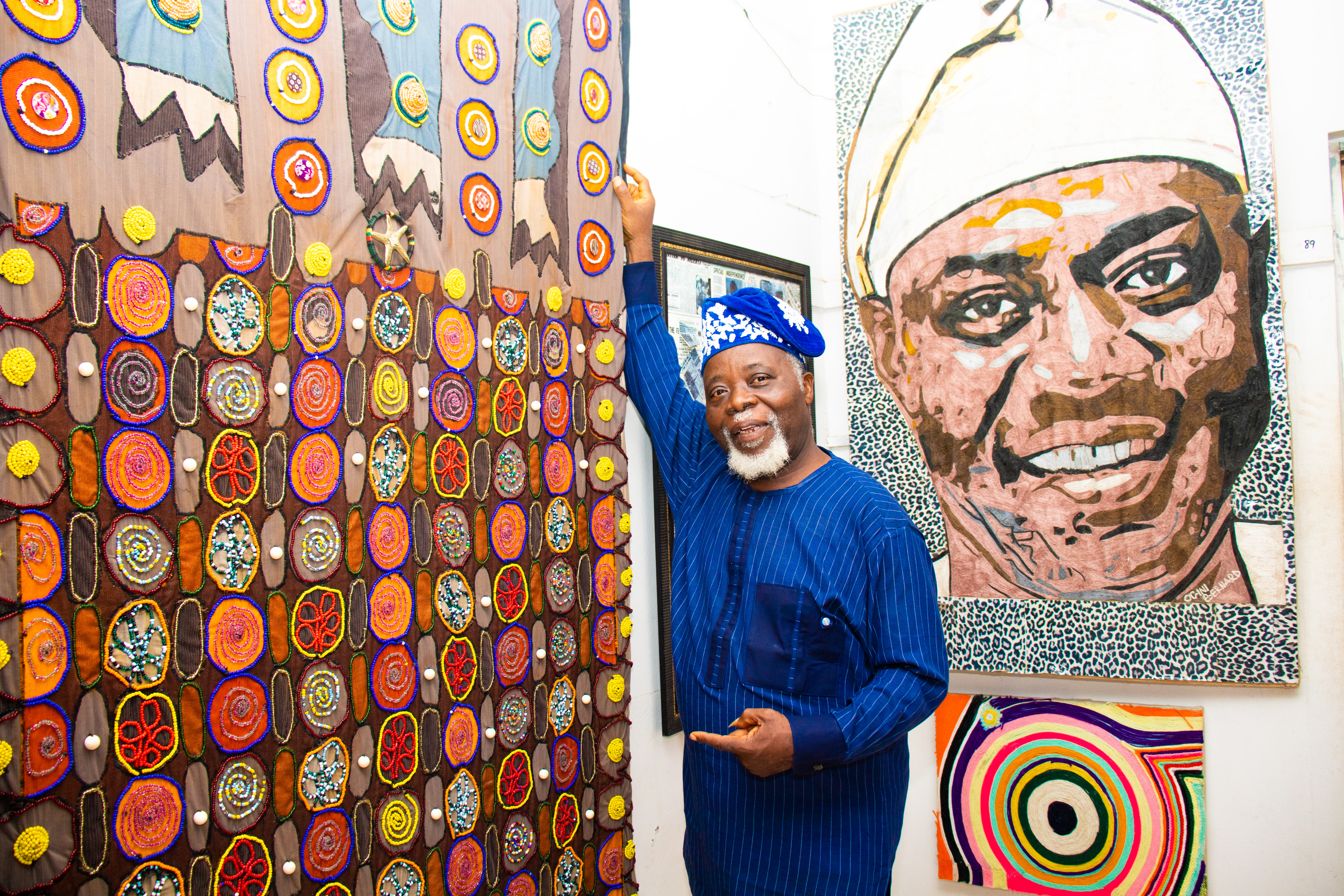
Featured image: Festival goer from the Levit AMP Selma Music Series 2025 (Black Belt Community Foundation)