Author: Maya Quinn

  • Doug Jones spotlights diesel costs, veterans at Mobile town hall

    Doug Jones spotlights diesel costs, veterans at Mobile town hall

    By Staff, Alabama Political Reporter

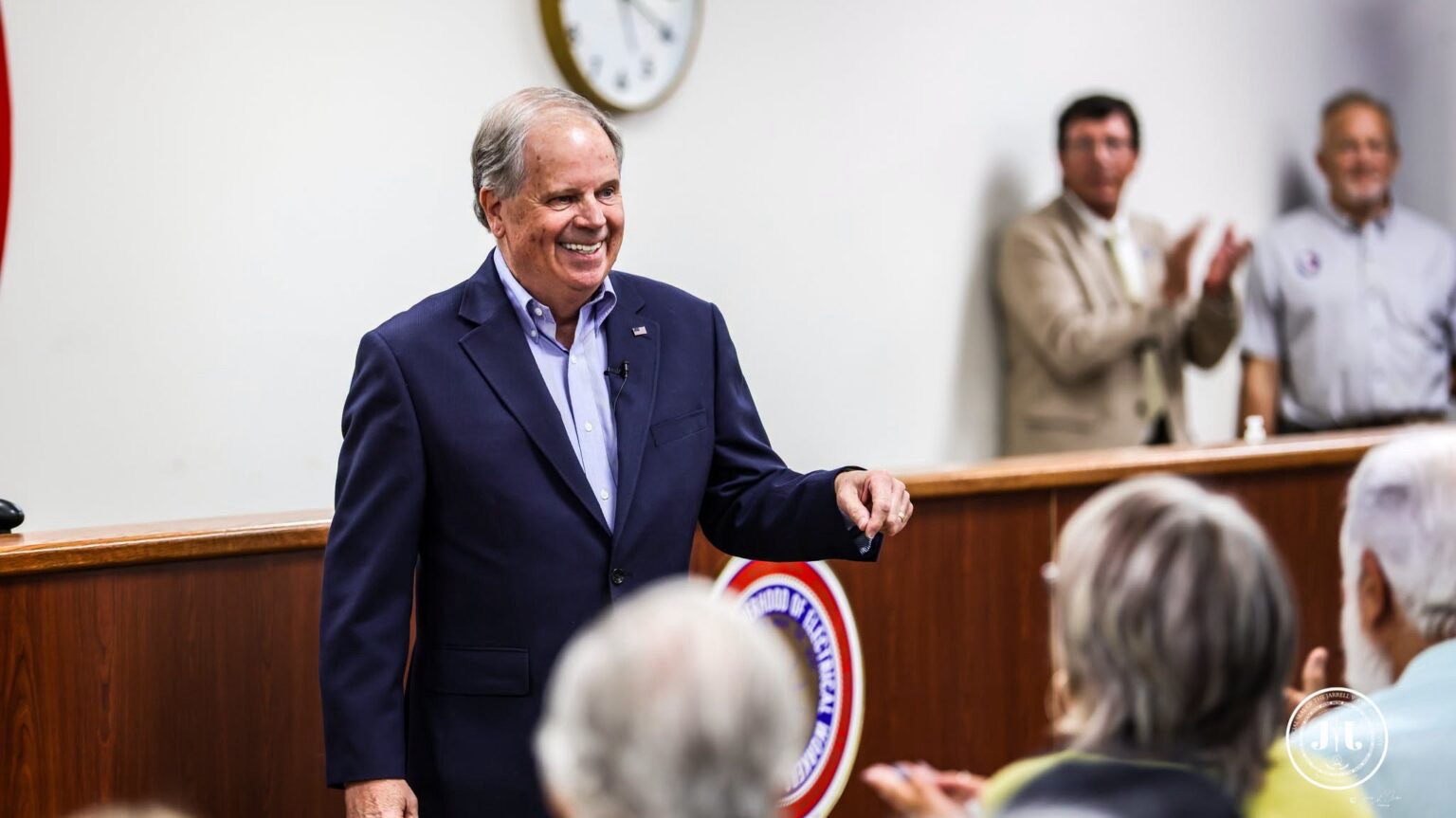
    At a September 16 town hall in Mobile, Democratic nominee for governor Doug Jones discussed challenges facing Gulf Coast families. His campaign said Jones drew on a lesson from his time in the U.S. Senate: Listen to people living with a problem, then work to fix it.

    Jones said high diesel prices were keeping Gulf Coast shrimpers at the dock and raising costs for farmers, truckers and families.

    “You’ve got shrimpers sitting at the dock right now that can’t afford the diesel cost to get out there for their livelihood,” Jones said. “That’s going to affect that industry. It’s going to affect food. It’s going to affect a lot of people.”

    While answering a question about veterans, Jones recognized Cathy Milford in the crowd. The two worked to repeal the Military Widow’s Tax, an effort his campaign cited as an example of people affected by a problem helping solve it.

    “I get asked all the time, what is the single proudest thing that you did as a United States senator? And it was eliminating that Military Widow’s Tax for people like Cathy Milford right here, who worked her rear end off to make it happen,” Jones said.

    The Mobile County Democratic Executive Committee hosted the town hall. Democratic nominee for lieutenant governor Phillip Ensler joined Jones to take questions. State Senator Vivian Figures and State Representatives Sam Jones, Adline Clarke and Napoleon Bracy attended.

    Jones is scheduled to return to Mobile on Wednesday, September 23, for a free rally with Alabama musician Jason Isbell at Crown Hall. Rally information is available on Jones’ campaign website. The full town hall is available on YouTube.

    Featured Image: Gubernatorial candidate Doug Jones hosts a town hall. (Doug Jones Campaign)

  • SNAP changes coming in October: Benefits will increase, but states will take on more costs

    SNAP changes coming in October: Benefits will increase, but states will take on more costs

    By Catalina Ruiz, NBC Washington

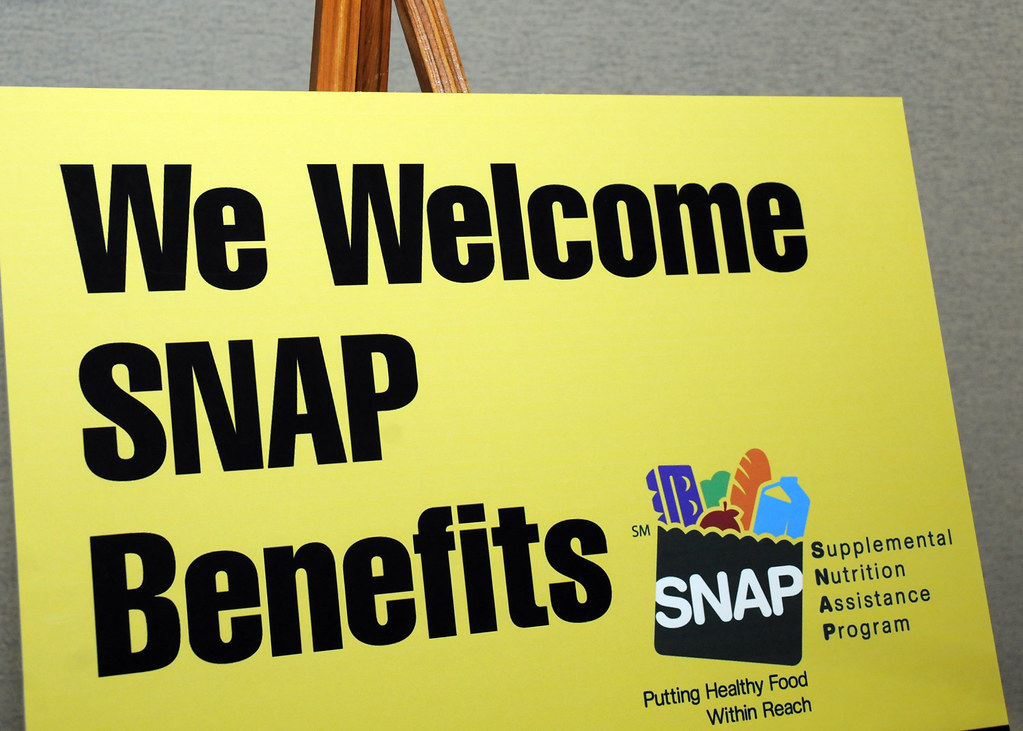
    The Supplemental Nutrition Assistance Program (SNAP), commonly known as the food stamp program, will have new changes starting Oct. 1, 2026.

    Although the maximum benefits families can receive to purchase food will increase, states will be responsible for covering 75% of the program’s administrative costs, up from the current 50%. The additional expense could put greater pressure on state budgets.

    What does this mean? Here’s what you need to know:

    Will SNAP benefits increase in October?

    The program includes increases to the maximum benefits available to U.S. households participating in SNAP.

    Keep in mind that this does not mean every family will receive an increase in their monthly benefits. SNAP calculates each household’s benefit amount based on factors including net income, household size and eligible deductions.

    These are the maximum monthly benefits starting Oct. 1, 2026, according to the U.S. Department of Agriculture (USDA):

    States will take on higher SNAP costs

    Starting Oct. 1, states will be responsible for covering 75% of SNAP’s administrative costs, up from the current 50%.

    According to experts, the change could lead to cuts to the program because of the additional financial burden at the state level.

    The change was established by the One Big Beautiful Bill Act signed by President Donald Trump in July 2025. The law reduced the federal government’s share of SNAP administrative costs from 50% to 25%, shifting a greater portion of those expenses to the states.

    Table displaying maximum SNAP allotments for households of different sizes in 48 states and D.C.

    What has changed under the Trump administration?

    The Trump administration’s tax law included the largest cuts to SNAP in the program’s history.

    An estimated 5 million fewer Americans, including families with children, have stopped receiving monthly food stamp benefits.

    The law established that people receiving food stamps must work, volunteer or participate in training programs for at least 80 hours a month, or 20 hours a week.

    Under the new requirements, able-bodied adults without dependents between the ages of 16 and 59 who are able to work and do not have qualifying dependents, and who do not meet the requirement, can receive SNAP benefits for only three months within a 36-month period, unless they qualify for an exemption.


  • We’ve Only Seen Them in Photos—Now a New Doc Brings Harlem Renaissance Icons to Life

    We’ve Only Seen Them in Photos—Now a New Doc Brings Harlem Renaissance Icons to Life

    By Shanelle Genai, The Root

    It may not be February, but a rare, once-in-a-lifetime piece of Black history is finally making its way to the masses soon.

    We’re talking about the forthcoming film, “Once Upon a Time in Harlem,”directed by acclaimed filmmaker William Greaves. Inspired by the legacy of fellow filmmaker Jean Bach’s “A Great Day in Harlem,” with a nod to Sergio Leone’s “Once Upon a Time in…” title, Greaves’ upcoming film centers around a four-hour party in 1972 that he pulled together, with more than a handful of living luminaries of the Harlem Renaissance.

    Hosted at the home of beloved jazz pioneer Duke Ellington, the shindig welcomed writers, thinkers, entertainers, and artists like journalist Gerri Major, Ida Mae Cullen (poet Countee Cullen’s widow), playwright-librarian Regina Andrews, Abram Hill, Frank Horne, photographer James Van Der Zee, pianist-composer Eubie Blake, painter Aaron Douglas, poet-writer Richard Bruce Nugent and more. Throughout the film, viewers listen in on riveting conversations, lively debates, and the dynamics of a community of Black folks that is rarely seen on camera.

    Unlike other documentaries that set up their audience as mere spectators, this film is unique in that it makes viewers feel as if they’re sitting in Ellington’s living room, soaking up the conversation for themselves. It’s also the first time many viewers will actually get to see a more personal side of the historic icons from the Harlem Renaissance era, laughing, talking, cracking jokes, arguing their perspectives.

    More than 100 years after the peak of the Harlem Renaissance, these figures only exist in our history books and our imaginations, as most of us weren’t around at the time. So, to finally get a real glimpse of some of the people who played a major role in shaping literature, the arts, music, and more is one of those lightning-in-a-bottle moments that we all need to witness.

    At a time when Black history, its impact, and legacy are being threatened, “Once Upon a Time in Harlem” serves as a powerful reminder that preserving our history means more than remembering names and dates—it means getting to see, hear, and experience the people who helped shape it while we still can.

    “Once Upon a Time in Harlem” hits theaters October 16.

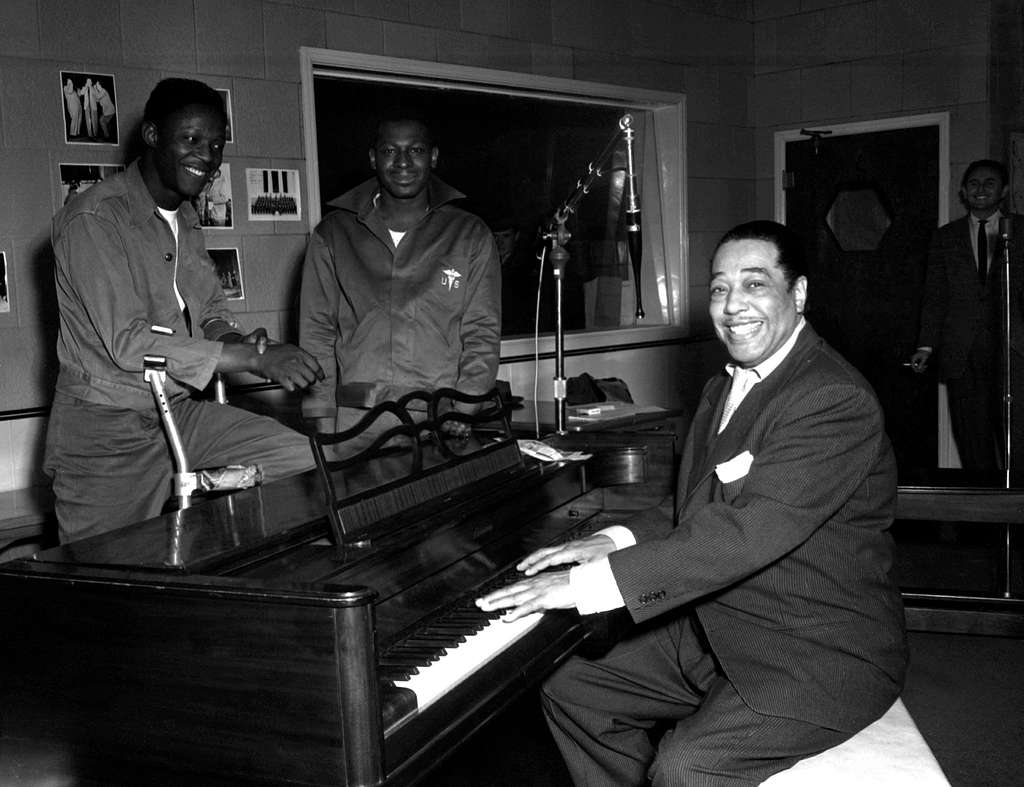
    Featured Image: Duke Ellington playing the piano in a parlor room (Wikimedia Commons)

  • County commission discusses budget proposal and hazard mitigation plans

    County commission discusses budget proposal and hazard mitigation plans

    By Maya Quinn, editor

    The Greene County Commission met for a work session on Wednesday, September 9th, and for a regular session on Monday, September 14th. The meetings centered around plans for infrastructure improvements, safety plans, and budget planning for the upcoming year.

    Registered Municipal Financial Advisor Mac Underwood presented the proposed budget for 2026-2027. At the end of August, the county’s unrestricted funds were as follows: $213, 144.27 at Citizens Bank and $690,792.33 at Merchants and Farmers. Underwood explained that the county’s health insurance rate and workers’ compensation had increased, with health insurance costing $10,700 per employee per year. He also noted in the budget that $265,000 from the racing commission funds was dedicated to highway department projects and vehicle maintenance. 

    Underwood expressed concerns regarding a lack of communication from the Sheriff’s Department on financial agreements with the commission. Presently, the commission is helping supplement 3 months of income for SROs (student resource officers) for $257,143, with the promise of reimbursement. The Sheriff has not come forth to the commission to discuss the agreement although they have reached out on numerous occasions.

    Commissioners have yet to reach a decision regarding an increase on solid waste fees. The current budget outlines that expenses to run solid waste are approximately $600,000 and income is only at $300,000. The commission decided to discuss matters further during a called meeting on Monday, September 21st. 

    Kathy Gregory and engineer, Dennis Strickland, from the West Alabama Regional Commission attended the meeting with a proposal for a Safety Action Plan. The goal of the plan is to assess Greene County’s road safety data, traffic accidents, and other road hazards to decrease injuries and mortality rates. The key features of the plan include data driven safety analysis, community focus groups, local leadership commitment, and transparency throughout the process. The plan will be conducted in four phases and will give Greene County the eligibility to apply for certain grants on road safety improvement, denoting some roads may also be under ALDOT jurisdiction. The plans will be enacted at no cost to the commission, and they will receive assistance with securing the grants aforementioned. “We can make the roads safer for everybody,” Gregory explained.

    The following new business items were approved:

    1. CIMS, a local government data system, contract for $1000.00 per month
    2. Travel for Assistant Engineer to travel to Montgomery, AL on October 21-22,2026 for a Bridge Refresh Course
    3. 2027 Severe Weather Preparedness Holiday, February 26-28, 2027
    4. Approval of repairs for bridge on County Road 20
    5. Hazard Mitigation Plan Phase II Resolution
    6. Moving CD from Robertson Bank to Merchants and Farmers for a better rate; increase from 3.25% to 3.98%
    7. Board appointment to DHR District 2: Geraldine Walton
    8. Payment of claims

    During public comments, local leaders came forward with requests for the commission. Anita Lewis is working on building a free resource center for Greene Countians to minimize travel and costs. She requested assistance with procuring a building for the center, stating that she would gather funds for its repairs. Greene County Health System CEO Rodgerick Williams came asking for financial assistance with the $100,000 of free care the hospital provides monthly to county citizens. Williams explained that the hospital has been providing services such as drug and alcohol programs to those in need.

    The county commission’s next work session is scheduled for October 7th, 2026, at 5:00 pm. The next regular session is scheduled for the following Monday, October 12th, at 5:00 pm in the W.M. Branch Courthouse.

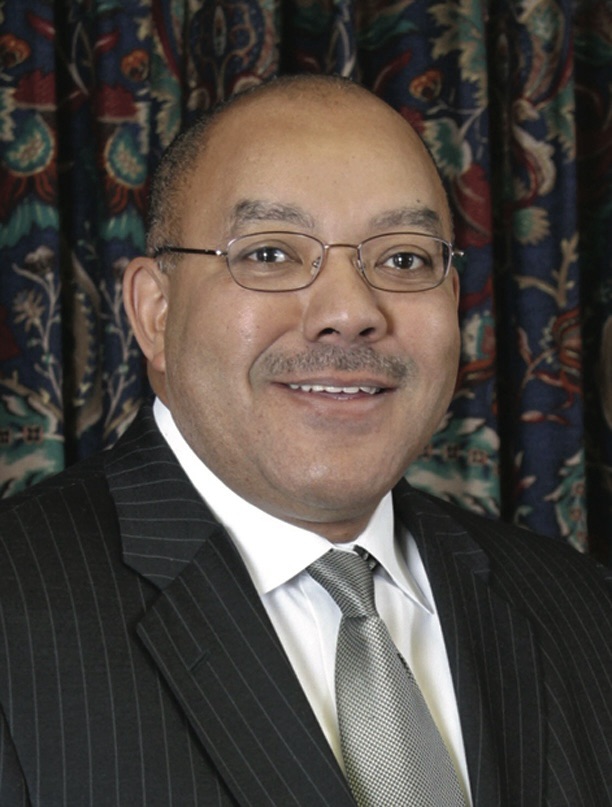
    Featured Image: Mac Underwood, financial advisor for the Greene County Commission

  • The Supreme Court rejects Trump’s mail voting restrictions for this year’s midterms

    The Supreme Court rejects Trump’s mail voting restrictions for this year’s midterms

    By NPR, All Things Considered

    The Supreme Court has ruled against President Trump, rejecting his efforts to enact new mail-in voting restrictions for the midterm election.

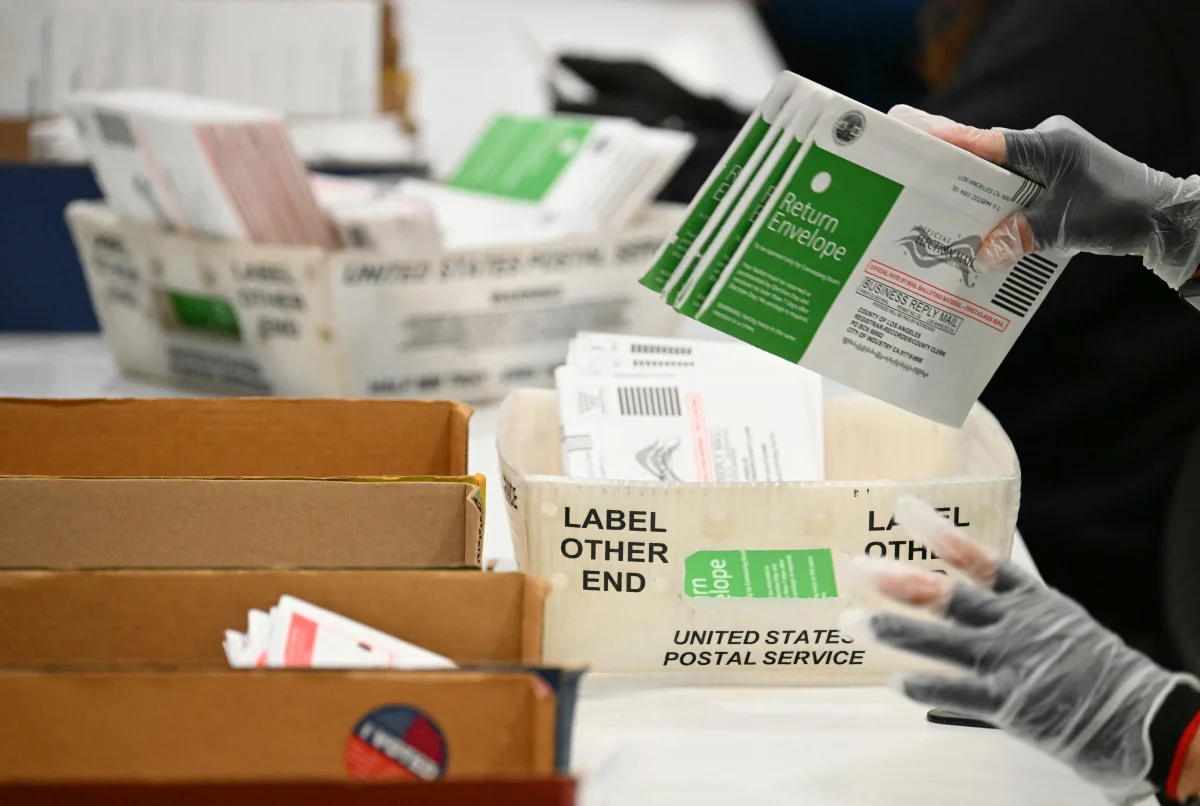
    The ruling released Monday by the high court means the U.S. Postal Service is expected to continue delivering ballots as usual.

    Voting by mail has already begun in states including Alabama, North Carolina and Wisconsin, with more soon to follow — including Western states such as Hawaii, Oregon and Washington, where elections are held primarily or fully with mail ballots.

    Under the still-blocked USPS plan, which followed an executive order by Trump, states would have had to turn over lists of voters’ names and addresses and have certain specific barcodes on ballot envelopes in order to have them delivered by the mailing agency.

    Earlier this month, a federal judge in Boston issued a preliminary injunction against USPS, blocking it from imposing those new ballot requirements on states. The judge found the requirements are likely illegal because the Postal Service has no authority to control mail-in voting. A second federal judge issued another preliminary injunction late Sunday.

    Now, a majority of the Supreme Court decided to keep that injunction in place. The court said the Trump administration was unlikely to succeed on the merits of its challenge.

    Conservative Justice Brett Kavanaugh wrote a short concurring opinion, saying “there is at least a fair prospect that the final rule falls within the Postal Service’s statutory authority.” But, he added, “applying the rule in the 2026 elections would be arbitrary and capricious in violation of the Administrative Procedure Act because state and local election officials do not have sufficient time to reasonably implement the rule before the elections.”

    Indeed several Republican state election officials, including from the mostly vote-by-mail state of Utah, signed on to a Supreme Court brief, warning that any attempt to carry out the USPS plan now “will almost certainly lead to mistakes, delays, and confusion for both voters and election officials.”

    Conservative Justices Samuel Alito and Clarence Thomas dissented from the order, and would have granted the administration’s request to pause the Boston-based judge’s ruling.

    While the USPS plan remains paused for the midterms, the legal fight will likely continue over how the agency may try to implement it for future federal elections.

    For now, challengers of the proposal are celebrating their victory.

    “Today, the Supreme Court refused to allow the federal government to throw our elections into chaos just weeks before Election Day. The Postal Service exists to deliver Americans’ mail — not to rewrite election rules, demand voters’ personal information, or decide which ballots make it through the system,” Celina Stewart, CEO of the League of Women Voters, said in a statement.

    “Voters should never have to wonder whether a ballot they legally cast will be counted because the federal government suddenly changed the rules,” said  Letitia James, New York State Attorney General, whose state was among the 24 mainly Democratic-led states that sued alongside Washington, D.C. “We will keep fighting to make sure every eligible ballot is counted come November. Now, I encourage all eligible Americans to get out and vote — and vote early.”

    In a social media post on Tuesday, Trump blasted the Supreme Court’s ruling as “a big loss for Republicans.”

    “These are not the people I interviewed to serve on the United States Supreme Court, they are merely a shell of their original selves,” added Trump, who nominated Kavanaugh and fellow conservative Justices Neil Gorsuch and Amy Coney Barrett during his first term.

    Trump praised Alito and Thomas as “legends” for disagreeing with the court’s majority ruling.

    The president also made a baseless claim that the USPS plan was a “solution to our totally CORRUPT and out of control Mail-In voting ‘disaster.’ “

    Trump has previously said he issued the call for USPS to change its rule for mail ballots as a way to stop illegal voting by non-U.S. citizens, a problem that many studies and audits show is extremely uncommon. For this legal fight over the USPS plan, the administration’s lawyers have provided the courts with no evidence of mail-voting fraud.

    Trump has long been a vocal critic of the way about one-third of voters cast ballots in the last two federal elections. In 2024, the share of voters who reported casting ballots by mail was higher among Democrats (37%) than Republicans (24%), according to a national survey by the MIT Election Data and Science Lab.

    In a social media post last year, Trump said he is “going to lead a movement to get rid of MAIL-IN BALLOTS” and claimed that “ELECTIONS CAN NEVER BE HONEST WITH MAIL IN BALLOTS/VOTING.”

    This year, Trump himself voted by mail in Florida

  • Blue Mass service held to honor local first responders

    Blue Mass service held to honor local first responders

    By Maya Quinn, editor

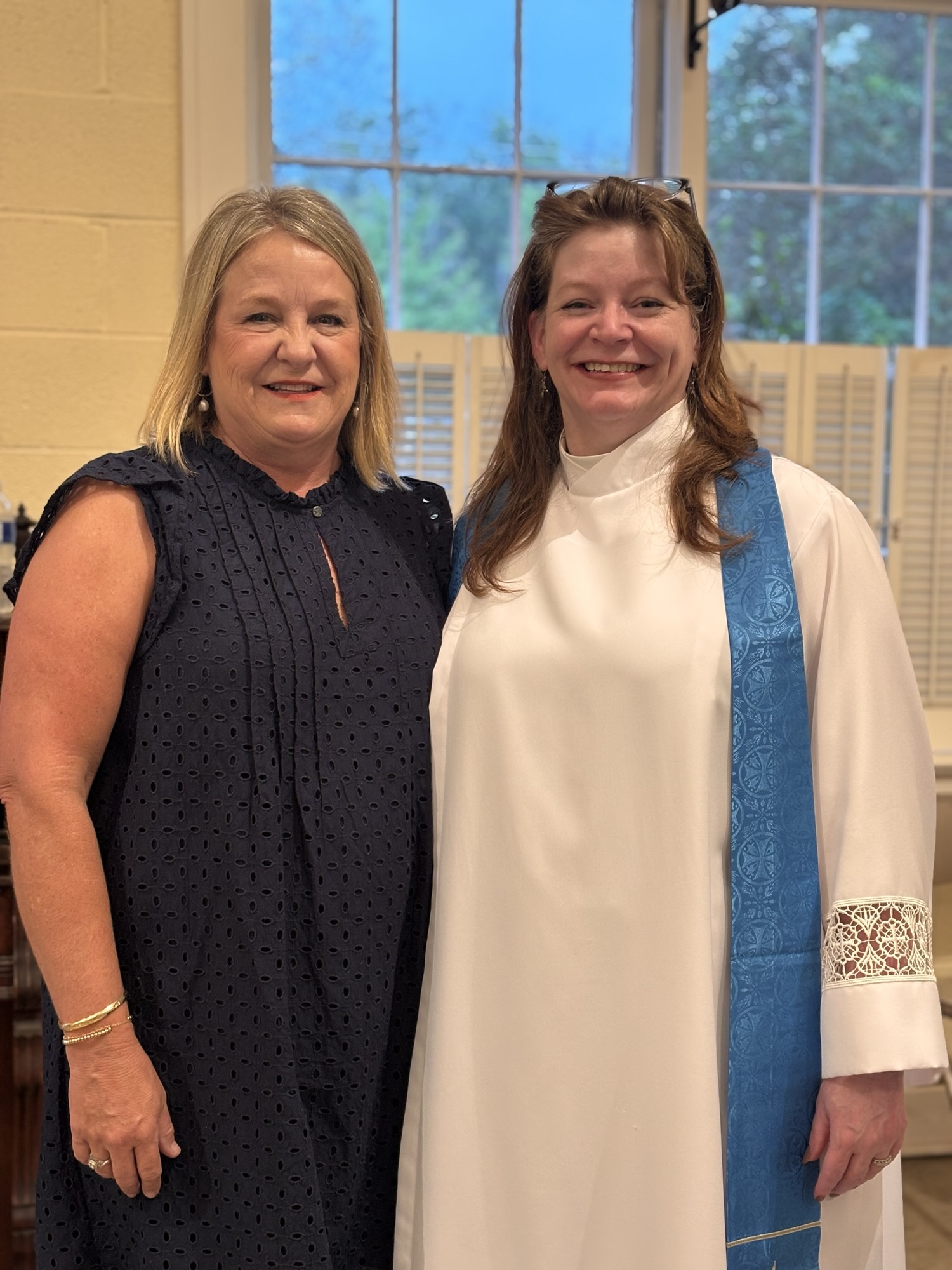
    On September 10, St. Stephen’s Episcopal Church held a Mass service to honor local first responders and in remembrance of those who lost their lives on 9/11. The Reverend Richelle Thompson organized the readings and songs for the service; the themes centered on the courage and sacrifice that love requires. “Even after 25 years, the memory remains remarkably close for some…” Reverend Thompson began the service by acknowledging those involved in the tragedy and asking the congregation to remember those who responded to the attack with tremendous courage. She then spoke on the courage and love of Greene County’s first responders, who are imbued with the same courage as the first responders from that fateful day. She stated that they act with a deep love and care for their neighbors, and that we should respond in kind. “Love does not depend on the size of the city or the number of volunteers.” 

    The congregation then listened to several readings during the service that emphasized a call to courageously love those around us, as that is what is right to do. The gospel readings on the teachings of Jesus, John 15:9-17, remind us that love is an action that must be practiced. Reverend Thompson reminded us that “courage does not just belong in the history books…it lives here today in ordinary people who answer the call.”

    As many of the local first responders were preoccupied with important meetings and calls, the church had meals delivered to the Greene County EMS for EMTs on call that night. You can visit St. Stephen’s Episcopal Church for service on Sundays at 403 North Main Street, Eutaw, AL 35462.


    Featured Image: Councilwoman Carrie Logan and the Reverend of St. Stephen’s Episcopal church, Reverend Richelle Thompson 

  • Obama’s Blunt AI Warning to Democrats

    Obama’s Blunt AI Warning to Democrats

    By Phenix S Halley, The Root

    Former President Barack Obama has entered the chat on artificial intelligence, and his message to Democrats is blunt: the technology is moving fast, it’s moving in private hands, and the party has no real plan for any of it.

    At a private Democratic fundraiser, the former president pressed House Minority Leader Hakeem Jeffries and other Democrats to develop a strategy for artificial intelligence that addresses both the technology’s enormous potential and the risks that come with letting private companies race ahead without enough oversight.

    Obama said his concern is not that AI is inherently bad. It’s that politicians are moving slower than the technology.

    “This is something that is moving very fast in private hands, and if we don’t get on top of it, I think it can be dangerous,” Obama said, according to a transcript first reported by the New York Times.

    As The Root has previously reported,critics are concerned that the technology is advancing faster than regulations. AI isn’t a futuristic idea anymore. It has already changed the way businesses work. Companies are pouring billions into increasingly powerful AI systems while lawmakers are still trying to figure out some pretty basic questions:

    How safe is this stuff? What happens to people’s jobs? Who should be held accountable when something goes wrong? And what happens when a handful of companies end up controlling the technology everyone else depends on?

    The next few years will be critical, according to the former president. So his advice for anyone looking to run for president in 2028 is to start brainstorming ideas to tackle AI now.

    “If I were running for president next year, this would be one of my central agendas, and I would have a very clear plan,” he continued. “If we do get on top of it, I do think it’s beneficial.”

    Obama also acknowledged that AI could produce have a positive impact if policymakers can manage it. He pointed to the possibility that AI could accelerate drug development and help cure diseases, as reported by BBC.

    “We don’t want to shut off those opportunities, but we have to understand that this is a tool,” he said during the event.

    The Democratic Party has traditionally emphasized protecting workers and consumers from disruptive economic forces. But AI complicates that framework. It could transform employment, education, health care, entertainment and virtually every industry in between.

    At the same time, the Trump administration has increasingly framed AI policy around maintaining American technological dominance, particularly in competition with China, according to NPR. Democrats risk being defined as the party that wants to slow AI down unless they offer a real alternative.

    That’s the balancing act.

    Obama’s argument is ultimately a political one: Democrats need to explain what they want AI to do for ordinary Americans.


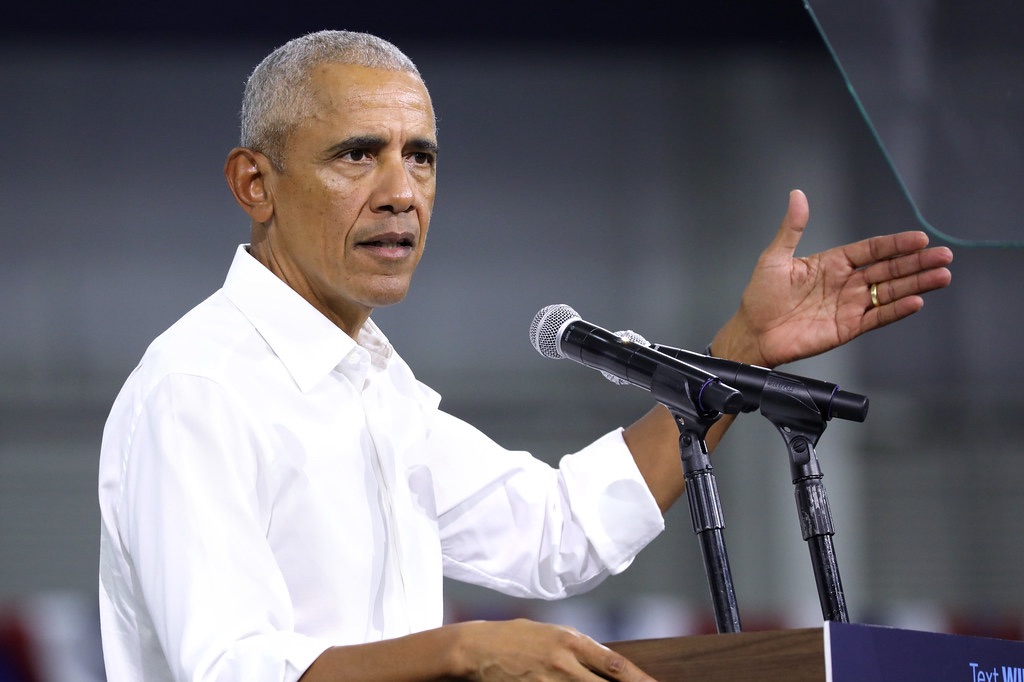
    Featured Image: Former U.S. President Barack Obama

  • Political analysis narrows GOP edge in Alabama’s 2nd Congressional District

    Political analysis narrows GOP edge in Alabama’s 2nd Congressional District

    By Wesley Walter, Alabama Political Reporter

    A nonpartisan political analysis shifted its projection for Alabama’s 2nd Congressional District on Thursday, projecting a smaller Republican advantage than previously reported.

    Sabato’s Crystal Ball analysis shifted its rating for CD2 from “Likely Republican” to “Leans Republican.”

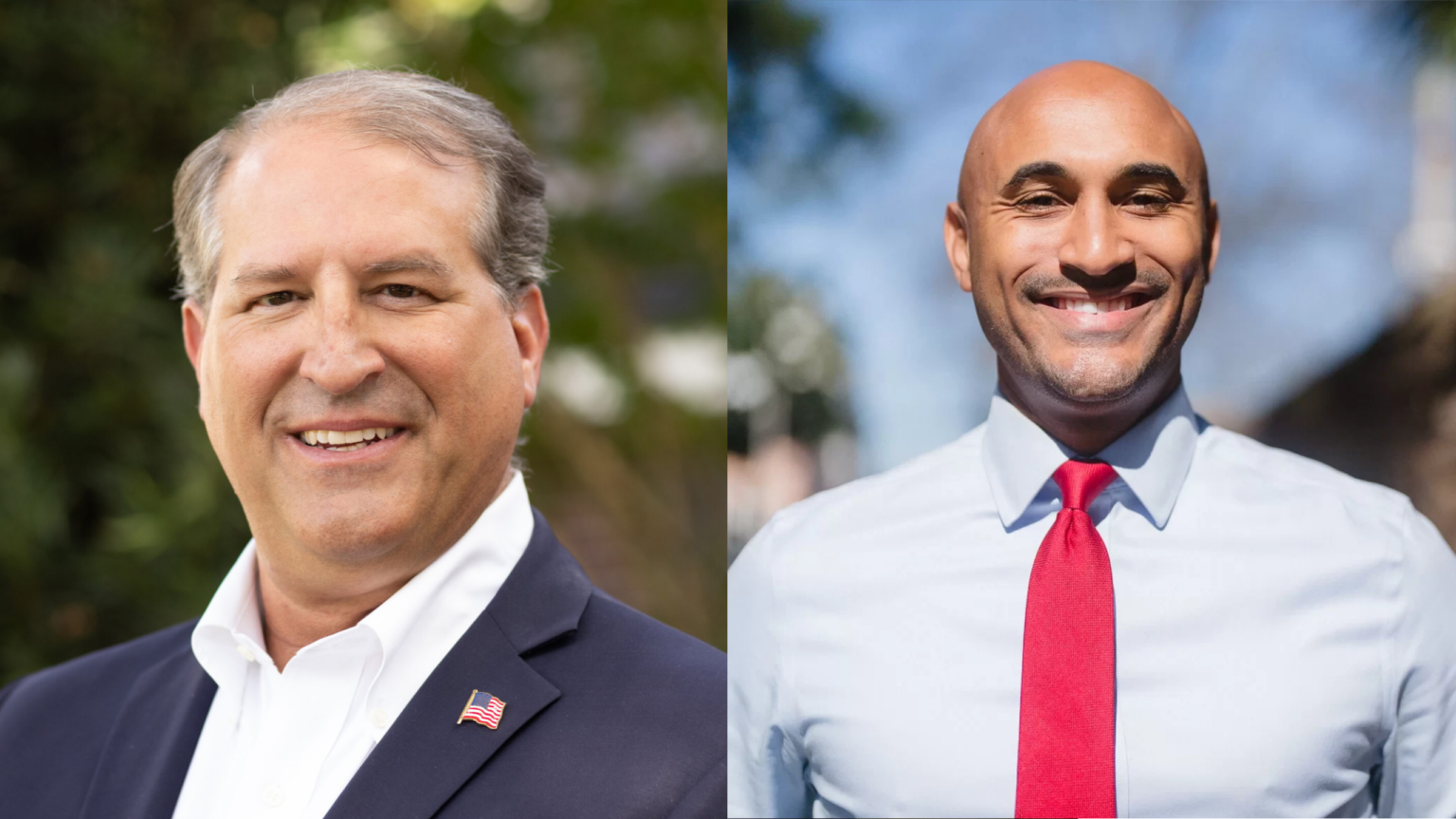
    The district’s race between incumbent Representative Shomari Figures, D-Alabama, and Republican nominee and former Alabama Representative Rhett Marques has become a priority for national Republicans after the Alabama Legislature redrew the district in Republicans’ favor during its 2026 special session.

    While Sabato’s Crystal Ball maintained Marques’ edge in the CD2 race, the report highlighted previous DCCC polling that showed Figures tied with Marques while emphasizing Figures’ incumbent advantage and the likelihood of high Black voter turnout benefiting Figures.

    “Some publicly-released Democratic polls over the past few months found him effectively tied with state Rep. Rhett Marques (R); to us that still means Figures is an underdog (we generally interpret publicly-released internal polls to be rosy for the side that releases them), but Figures, as an incumbent, should get help from national Democrats,” the Sabato’s Crystal Ball analysis reads.

    “Additionally, Black turnout could be relatively strong across the South, partially in response to the Supreme Court’s Callais decision, which allowed Republicans to dismantle a few substantially Black, Democratic districts, including Figures’s old district. This new [district] is still about 40 percent Black, though,” the analysis added.

    CD2 was drawn in Democrats’ favor in 2023 by a federally appointed special master and cartographer after the U.S. Supreme Court ruled that the Legislature’s 2023 map diluted Black voting strength in the district. After the federally appointed map was implemented for the 2024 elections, Figures won the CD2 seat, marking the first time Alabama sent two Black representatives to Congress.

    The Legislature reverted to its 2023 map this year following the Supreme Court’s ruling in Louisiana v. Callais, which weakened provisions of the Voting Rights Act of 1965, and a subsequent Supreme Court ruling releasing the state from a mandate requiring federally drawn congressional maps through 2031.

    The ratings shift drew support from Democratic Congressional Campaign Committee leadership, which backed Figures’ campaign while criticizing Marques’ record on taxes as a state representative.

    “Multiple public polls make it clear: Shomari Figures can win this race. While Figures shows up and delivers for the people of Alabama, his opponent Rhett Marques has been supporting tax increases and policies that raise costs for working people,” DCCC spokesperson Eli Cousin said.

    “That clear contrast is why Congressman Figures is drawing support from Republicans, Democrats, and Independents in every corner of Alabama’s 2nd Congressional District as he builds the coalition needed to win in November.”

    Marques, meanwhile, has received endorsements from President Donald Trump and the National Republican Congressional Committee, which in August designated CD2 a priority seat for Republicans to flip in 2026.

    The Figures and Marques campaigns did not immediately respond to requests for comment on the analysis.


    Featured Image:  Former Alabama Representative Rhett Marques and Representative Shomari Figures (Alabama Political Reporter)

  • Prostate Cancer is Twice as Likely to Kill Black Men. Talking to Your Doctor Could Help Save Your Life

    Prostate Cancer is Twice as Likely to Kill Black Men. Talking to Your Doctor Could Help Save Your Life

    By BlackPressUSA Newswire

    BLACKPRESSUSA NEWSWIRE — The American Cancer Society recommends that African American men speak with their doctor at age 45 about whether prostate cancer screening is right for them. Men at even higher risk should have that discussion at age 40, especially those with one or more close relatives who were diagnosed at an early age.

    American Cancer Society board member Dr. Robert Winn discusses risk factors for the disease and why too many Black men still aren’t getting screened

    September is Prostate Cancer Awareness Month, and as both a Black man and a cancer center director, I know many men in our community think it’s bad luck to talk about cancer. But I’m here to tell you it’s bad luck not to talk about it. 

    We, Black men in the U.S., are nearly 70% more likely than White men to be diagnosed with prostate cancer. We’re also twice as likely to die from the disease.

    But I’m telling you, if you’re diagnosed early, you can still enjoy a long, happy life doing the things you love, whether that’s playing with grandkids or staying active in your community. That’s because although it can become a serious illness, most men diagnosed with prostate cancer won’t die from it. 

    In fact, more than 3.5 million U.S. men who’ve been diagnosed with prostate cancer are still alive today. And when it’s diagnosed early, you boost your odds of survival. It’s that simple.

    Generally, prostate cancer is most likely to develop after age 50, but when it develops in Black men, they tend to be younger. That means we need to be on the ball about understanding our personal risk. The risk factors include a family history of prostate cancer and certain genetic health risks that come from a parent. 

    When it comes to family medical history, we need to get a lot better at talking. For me, it turned out I had uncles who’d died from prostate and other cancers, but I didn’t always know that, so I couldn’t use that information to help me make smarter screening choices. 

    The American Cancer Society recommends that African American men speak with their doctor at age 45 about whether prostate cancer screening is right for them. Men at even higher risk should have that discussion at age 40, especially those with one or more close relatives who were diagnosed at an early age.

    Look, I get that no one looks forward to a screening, but it typically starts with just a simple blood test, called a prostate-specific antigen, or PSA.

    Even if you end up needing a digital rectal exam, it takes less than a minute and could save your life. So, what I say to people is, what’s the price of your life? Isn’t it worth a minute of being uncomfortable? 

    Brothers, this is essential for you to know: just because you’re feeling good doesn’t mean you don’t have early-stage prostate cancer. By the time you start to actually experience symptoms, the disease could be at an advanced stage and might be harder to treat.” 

    Prostate cancer is significantly impacting our fathers, our brothers, and our sons. That’s why the American Cancer Society is working with health systems and professionals in your community to help remove barriers in the fight against the disease. 

    We can help you find low-cost or free screening locations. And for men who need cancer treatment, the American Cancer Society can reduce the financial burden of traveling to medical appointments by providing free rides and, if you live far away from where you receive treatment, a free place to stay. 

    When it comes to prostate cancer screening, one size doesn’t fit all. So, it’s important for all men – and especially Black men – to talk to their doctor about what’s best for them based on their age, risk, and health history. Please make that appointment, because we don’t want you to risk missing out on the best years of your life.

    For more information, call the American Cancer Society’s 24/7 helpline at 1-800-227-2345 or visit cancer.org.

    Dr. Robert Winn is a nationally recognized physician-scientist and researcher. He currently serves as cancer center director at Temple Health’s Fox Chase Cancer Center. Since 2021, he has served on the board of directors for the American Cancer Society, a leading cancer-fighting organization with a vision to end cancer as we know it, for everyone.

  • Who Gets To Stay Home? The Hidden Equity Math Of A New Child Care Rule

    Who Gets To Stay Home? The Hidden Equity Math Of A New Child Care Rule

    By Lenice C. Emanuel, MLA, NewsOne

    The Trump administration’s draft proposal to let married, single-income households draw from the Child Care and Development Fund (CCDF) is being framed by its architects as a matter of fairness, as an end to what Heritage Foundation policy writer Roger Severino calls discrimination against stay-at-home parents. But fairness is not a neutral concept when the pool of money being redistributed was never large enough to meet existing need. In a state like Alabama, where working parents are already being turned away, redirecting a portion of that same finite fund toward households that keep a parent home does not create a new benefit. It reallocates scarcity. And scarcity, once reallocated, tends to fall hardest on the families who had the least cushion to begin with, disproportionately Black families, single parents, unmarried couples, and kinship caregivers who do not fit the household model the rule rewards.

    A State Already Rationing Care

    This debate is not theoretical in Alabama. As of May 8, 2026, the Alabama Department of Human Resources began placing all new Child Care Assistance applications on a wait list, filling openings from that list on a first-come, first-served basis as slots become available, with only limited exceptions for foster care, protective services, and JOBS Program participants. This was less a new policy than the return of an old one: for nearly two decades before 2018, Alabama maintained a chronic subsidy waiting list because available funding could not meet demand, and at its 2017 peak more than 6,632 children were waiting, some for months or years. The reinstated waitlist follows a separate federal rule change, effective July 2026, that rescinded several 2024 protections and handed decisions like copay caps and provider payment methods back to individual states.

    Even in a typical, non-waitlisted year, the fund does not reach everyone who qualifies; roughly 30 percent of Alabama children eligible for subsidized care through the federal block grant actually receive it. Against that backdrop, the proposed federal rule would add a wholly new eligible population, married, single-income households, to a program Alabama cannot currently fund for the working parents it was built to serve. There is no version of that addition that does not mean longer waits or tighter rationing for the families already on the list.

    Whose Family Counts?

    The eligibility design at the center of this rule, married, with one spouse working at least 35 hours a week, does more than draw an income line. It draws a marital and structural line, and that line does not fall evenly across race, class, or family type.

    Nationally, the gap is stark: 64 percent of Black children live in single-parent families, compared with 24 percent of white children, according to 2023 Census data compiled by the Annie E. Casey Foundation. American Indian and Alaska Native children follow closely behind Black children, while Latino and multiracial children fall in between. In Alabama specifically, about 39 percent of children lived in single-parent families as of 2023, a rate high enough that a marriage-conditioned benefit excludes a large share of the state’s children outright, before race is even factored. Layer the national racial gap onto that Alabama baseline, and the practical effect becomes clear: a policy that channels new subsidy dollars specifically to married households will, as a matter of demographic math, direct more of that money toward white two-parent families and less toward Black families, even when both are equally low-income and equally in need of care.

    The married-couple requirement also excludes several other family structures common in Alabama. Unmarried parents, cohabiting or not, do not qualify, even if one stays home. LGBTQ+ families face a narrower and more uncertain path: a Heritage Foundation architect of the policy has suggested that married same-sex couples would likely qualify under existing Supreme Court precedent, but that assumes marriage in the first place, and it does nothing for LGBTQ+ parents who are unmarried, single, or navigating separate barriers around fostering, adoption, or legal parentage recognition. 

    And the rule offers nothing to the roughly 59,000 grandparents in Alabama who are fully responsible for raising their grandchildren, part of a broader 160,000 children living in relative-headed households statewide. These kinship caregivers are often older, on fixed incomes, and returning to work or caregiving roles they never planned for, circumstances that fall entirely outside a subsidy built around a working spouse and a stay-at-home spouse under one roof.

    In short, the rule does not simply value one parenting choice over another. It values one family structure, married, two-parent, one-income-capable, over the range of structures in which Alabama’s children actually live, most of which were never a matter of preference to begin with. On its face, this approach is short-sighted, harmful, and will yield no positive benefits. Policymakers should abandon this thinking, and people across the country should vocally oppose this choice.

    Lenice C. Emanuel is the Executive Director of the Alabama Institute for Justice.


    Featured Image: Mother playing with young son (BlackPressUSA Stock Photo)