Dr. Monty J. Thornburg, Sunfield Humanities Research
A letter to Educational Colleagues:
Monday, June 1, 2026, was a State Holiday in Alabama. The June 1st Holiday each year honors Jefferson Davis, the former president of the Confederacy, whose government stood for the enslavement of African American people.
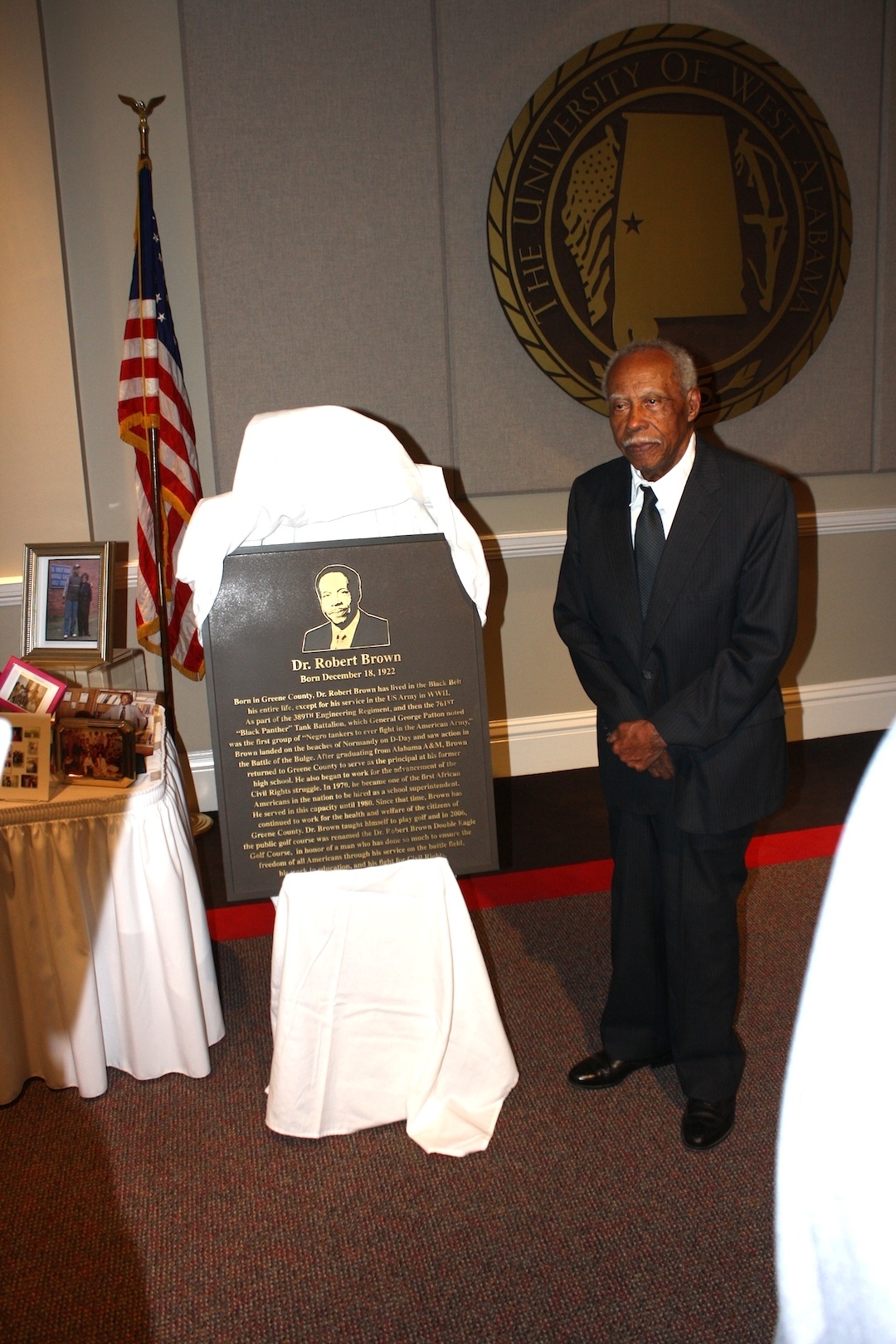
In 2014, I flew from California to Alabama to honor Dr. Robert Brown, Alabama’s and the South’s first Black public-school superintendent. The Alabama Black Belt Hall of Fame had inducted Brown at the University of West Alabama (UWA).
UWA established the Alabama Black Belt Hall of Fame in 2003. It honored individuals who made significant contributions to the Black Belt Region. Its purpose was to promote awareness of the area’s cultural heritage and to support UWA’s commitment to regional development.
Two of the first three inductees were African Americans: George Washington Carver, a famous scientist at Tuskegee University. Across the South, in towns and cities, Carver’s name is seen on one of the once-segregated Black High Schools. Carver High School in Eutaw, Greene County, Alabama, was prominent during the Voting Rights Movement that began in Selma, Alabama, with “Bloody Sunday” on March 7, 1965.
Willie King was also honored as one of the first inductees at UWA. By 2014, when Dr. Robert Brown was selected as an inductee and honored, the politics in the United States had shifted, with President Obama serving in his final years in office. By 2016, the year that Harper Lee, noted author of “To Kill a Mockingbird,” was inducted into the UWA Black Belt Hall of Fame, as Donald Trump and his MAGA agenda took office, the award seemed to be almost disappearing. None of the plaques intended for display in the University’s Museum ever appeared. Willie King’s Blues Music became part of the Black Belt’s Folk Arts and Culture events held annually in Eutaw, Alabama, at the Old Courthouse, celebrating its 50th Anniversary in August 2026. The two-day events feature West Alabama Blues on Saturday and Black Gospel on Sunday, established by leaders from the Miles College of Birmingham, extension program.
When UWA selected Dr. Robert Brown for the Black Belt Hall of Fame, I was uninformed about the racial politics of the region between Greene County and Sumpter County, as the region transformed from the Old South “Jim Crow” segregation to a “New South” version that is unique in the Western Black Belt of Alabama. Dr.
Brown was UWA’s first Black professor and the first professional person to ever work at UWA. He joined the faculty in 1967, the year UWA’s first Black student also entered.
Dr. Brown’s remarkable career in military service, civil rights service, and as the South’s first county and district public school superintendent in 1970, second in the nation, I was proud to have the opportunity to fly from California to Livingston, Alabama, to give his induction speech.
Before arriving in Livingston, I had learned that although Brown’s significant accomplishments in the military and civil rights, and his service as a UWA committee member, were recognized, his tenure as UWA’s FIRST Professional Black Educator was SILENCED.
Why was his UWA tenure SILENCED? This question has been a centerpiece of my research since. The answer, I’ve learned, tells a story that extends beyond the UWA, Sumpter, and Greene County, and beyond Alabama. The reasons for his being silenced extend to our national story amid disheartening social and political division. It’s a division that extends across the United States.
Leave a Reply