Claudette Colvin
By Stacy M. Brown NNPA Newswire Senior National Correspondent
History often remembers movements by their most recognizable moments. It less often remembers the teenagers who moved first.
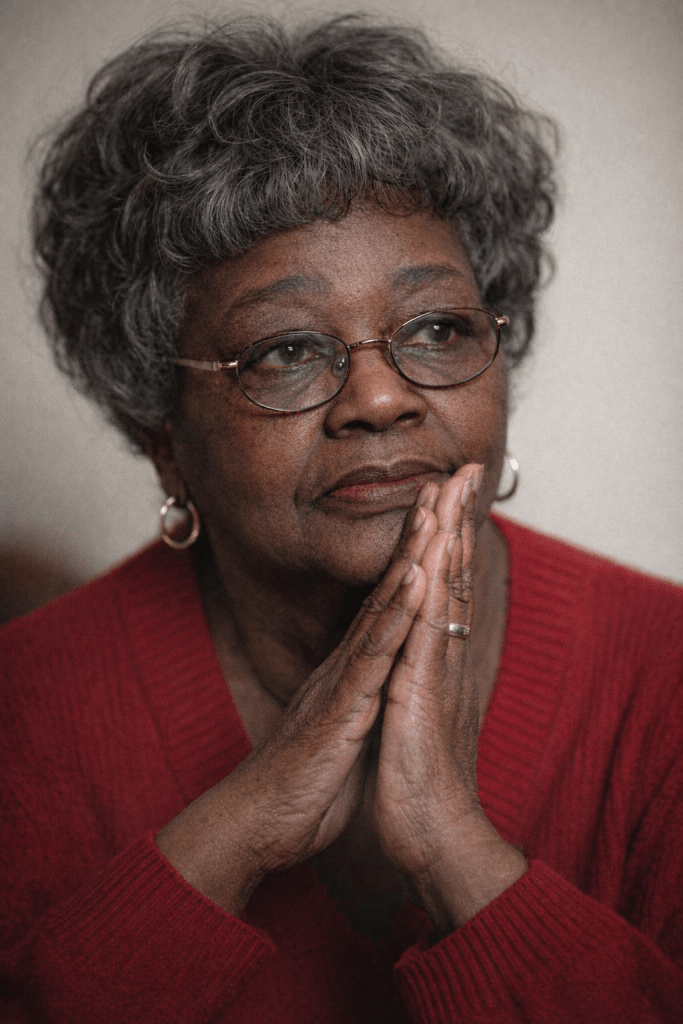
Claudette Colvin, whose refusal to surrender her seat on a segregated Montgomery bus came months before the moment that would enter textbooks, died Tuesday at 86. Her death was confirmed by the Claudette Colvin Legacy Foundation, which said she died of natural causes in Texas.
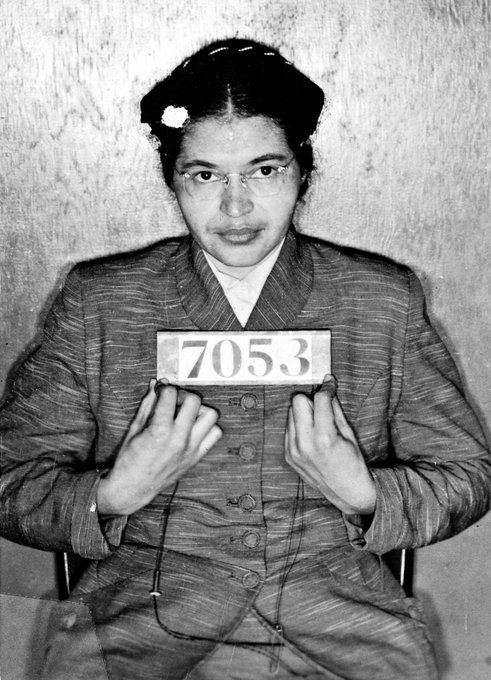
On March 2, 1955, Colvin was 15 years old and riding home from school when the bus driver ordered Black passengers to give up their seats to white riders. Three students stood. Colvin did not. Police arrested her, charged her under segregation laws, and placed her on probation. She later said she was thinking about the Constitution and the rights she believed belonged to her.
Colvin’s arrest came at a time when Montgomery’s Black community was already pressing against the daily restraints of Jim Crow. Her stand did not ignite a boycott that day, but it did register. It landed in conversations, church meetings, and legal strategy sessions that would soon follow.
“This nation lost a civil rights giant today,” Tafeni English-Relf, Alabama state director of the Southern Poverty Law Center, said. “Claudette Colvin’s courage lit the fire for a movement that would free all Alabamians and Americans from the woes of southern segregation.”
Unlike others whose names became shorthand for the era, Colvin paid a quieter price. She was young and outspoken and was later judged by standards that did not apply to older leaders. She was never elevated as the public face of the movement. Her life unfolded mostly outside the spotlight she helped create.
Yet Colvin’s role proved decisive.
She became one of four plaintiffs in Browder v. Gayle, the federal lawsuit that reached the Supreme Court and ended bus segregation in Montgomery and across Alabama. The case dismantled the legal framework that made her arrest possible.
“At age 15, Ms. Colvin was arrested on March 2, 1955, in Montgomery, Alabama, for violating bus segregation ordinances, nine months before Rosa Parks,” Phillip Ensler wrote. “In 2021, it was the privilege of a lifetime to serve on the legal team that helped Ms. Colvin clear her record from the conviction.”
“As we worked on the court motion, I had the honor of spending time with Ms. Colvin to hear her story and get to know her,” Ensler wrote.
“Today we lost an unsung yet significant hero of the civil rights movement,” Sen. Rev. Raphael Warnock said. “Her courage paved the way for Rosa Parks’ decision and the launching of a movement that would end segregation.”
“History did not always give Claudette Colvin the credit she deserved, but her impact is undeniable,” Illinois Gov. J.B. Pritzker said.
“Her life reminds us that progress is shaped not only by moments, but by sustained courage and truth,” Bernice King said.